
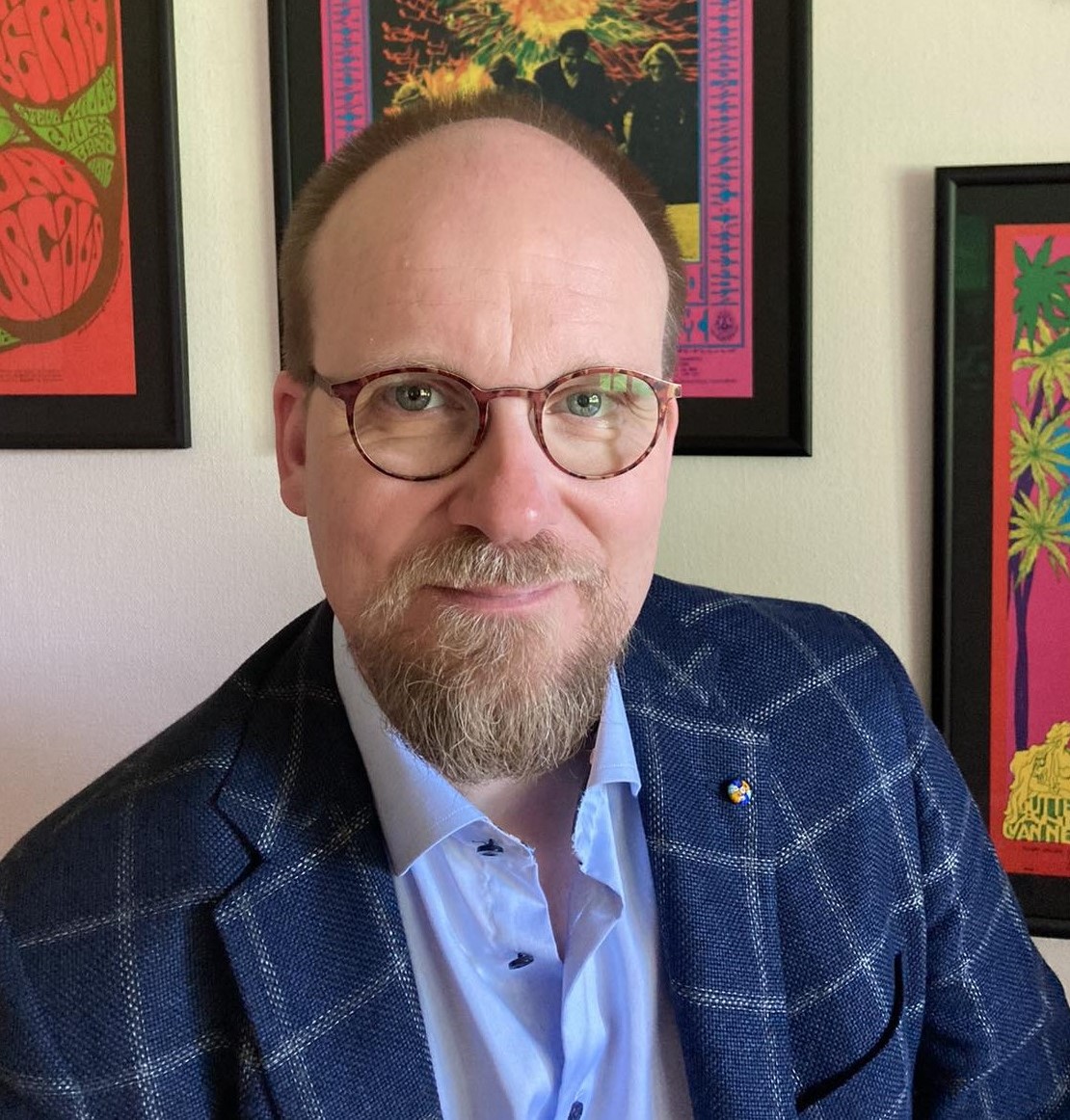
Per Arvelius (Sweden)
Having served the working dog community in different functions since 1991, Dr. Per Arvelius has acquired extensive experience. His main interests are how to breed and train dogs for service, and he has a strong understanding of challenges and solutions related to the production of working dogs. In January 2024, Per Arvelius was appointed to the IWDA Board of Directors. Per Arvelius was employed as researcher at the Swedish University of Agricultural Sciences from 2005 to 2015, where he also earned a PhD degree in Animal Breeding and Genetics. His research focused on how to measure, and breed for, behavioral traits in dogs. From 2016 to 2024, Per held the position as Breeding Program Manager for the Swedish Armed Forces Breeding Program for German Shepherd dogs, one of the world’s largest breeding programs for Military and Police Working Dogs. Since March 2024, he is employed as Research Coordinator at the Swedish Defense Research Institute. Prior to PhD studies, during the 1990’ies, Per Arvelius was a Military Dog Handler and a professional trainer of different types of working dogs. He later earned MSc degrees in Animal Science and in Biology. In 2003 and 2005, he was principal secretary for two governmental inquiries, resulting in new legislation concerning “dangerous dogs”, and suggestions for how to organise a Swedish breeding program for service/working dogs.
Al Grossman (Australia)
Alan Grossman enlisted in the Royal Australian Defence Force as a police dog handler in 1978. Alan has worked with both police and military working dogs and was part of a small team introducing Belgian Malinois into the Australian Defence Force.
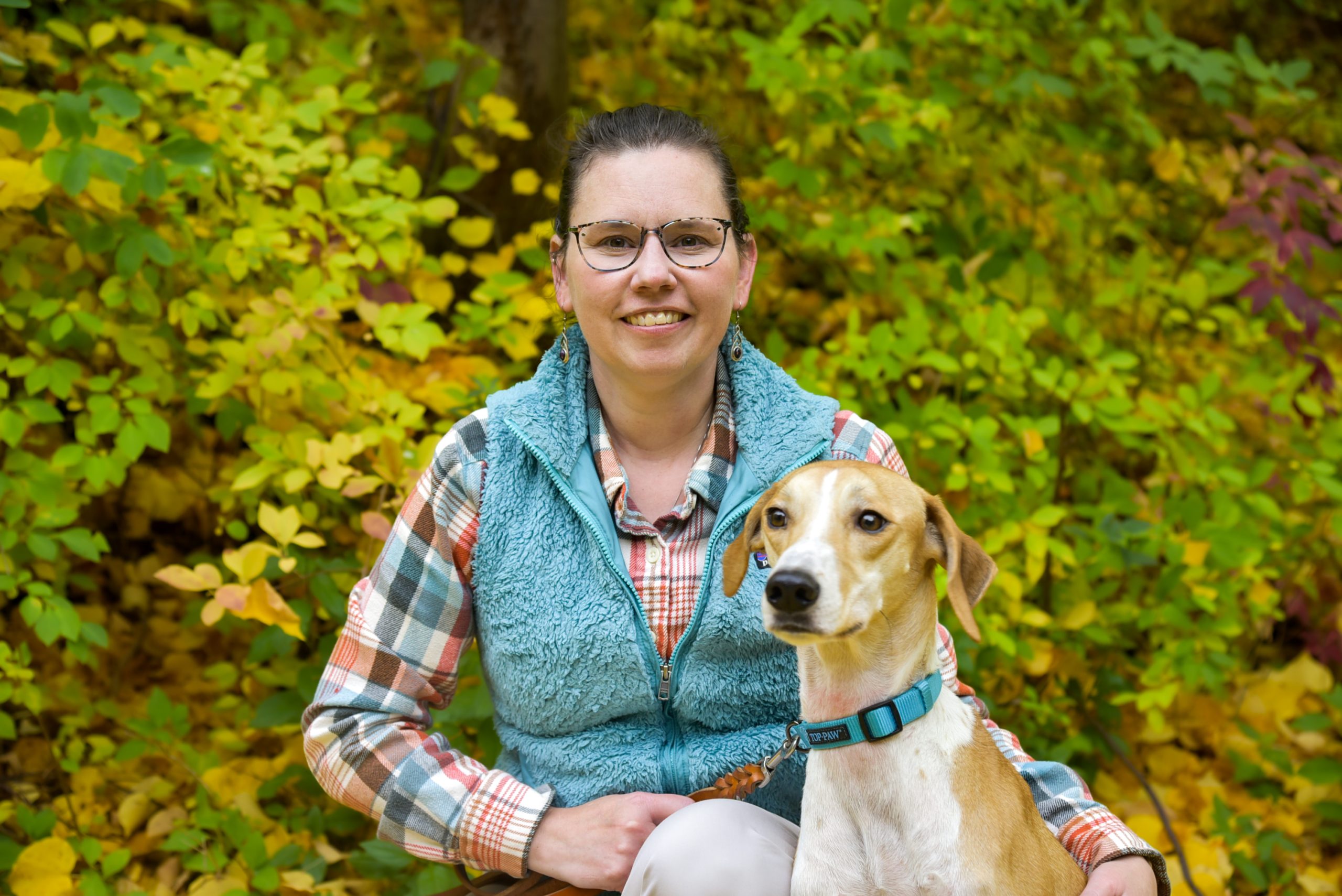
Heather Huson (United States)
Dr. Heather Jay Huson is an Associate Professor of Animal Genetics in the Department of Animal Science at Cornell University. Dr. Huson received her B.S. in Animal Science at Cornell University ('97) and Ph.D. in Molecular Genetics at the University of Alaska, Fairbanks ('11). A significant part of her PhD work was done at the National Institutes of Health in the Human Genome Research Institute, and her post-doctoral research was with the USDA Bovine Functional Genomics Laboratory. She has a diverse background combining animal breeding, veterinary technician experience, and molecular genetics across livestock, companion animals, and wildlife species. Dr. Huson competitively raced Alaskan sprint sled dogs for 23 years, participating in internationally sanctioned events throughout North America. Her research aims at improving animal health and performance by investigating the genetic regulation of traits of importance and understanding the effects of population structure such as that created within breeds on adaptation and selection. Her work has identified genetic markers associated with athletic performance and health traits in Alaskan sled dogs, estimating genetic merit and breeding values of working dogs, and health or adaptation measures in livestock. The genetics associated with performance in working dogs remains Dr. Huson's passion and her research has expanded to other working dog groups including guide and detection dogs. Her research also includes the study of canine aging in an effort to extend the working lifespan and quality of life in dogs. An end goal of her research efforts is to generate data that can be directly used as a tool to inform breeding and management.
Patrick MacIsaac (Canada)
Patrick MacIsaac is a retired member of the Royal Canadian Mounted Police (RCMP) and served in the Police Dog Service from 1987 to 2013. He was an operational dog handler for 14 years, then joined the Police Dog Service Training Centre (PDSTC) in 2001 as a member of its staff until 2013. While at the PDSTC he worked in several different profiles e.g., trainer, acquisition of dogs to meet training requirements, management of the Breeding and Potential Police Service Dog Imprinting Programs and National Program Manager. He has audited training, breeding and program management of canine programs in the United States of America, Sweden, Germany, United Kingdom, Australia, South Africa, Belgium, Austria, Czech Republic and the Netherlands. Patrick served as an invited international adviser to the Scientific Working Group on Dog and Orthogonal Detector Guidelines (SWGDOG) in the United States from 2006-2011. Funded by several US government agencies, this group’s objective was to develop consensus based best practices, for use within the USA, for the many facets of detection dogs. Patrick has been a member of the International Working Dog Breeding Association since 2003 and has served on the Board since 2005.
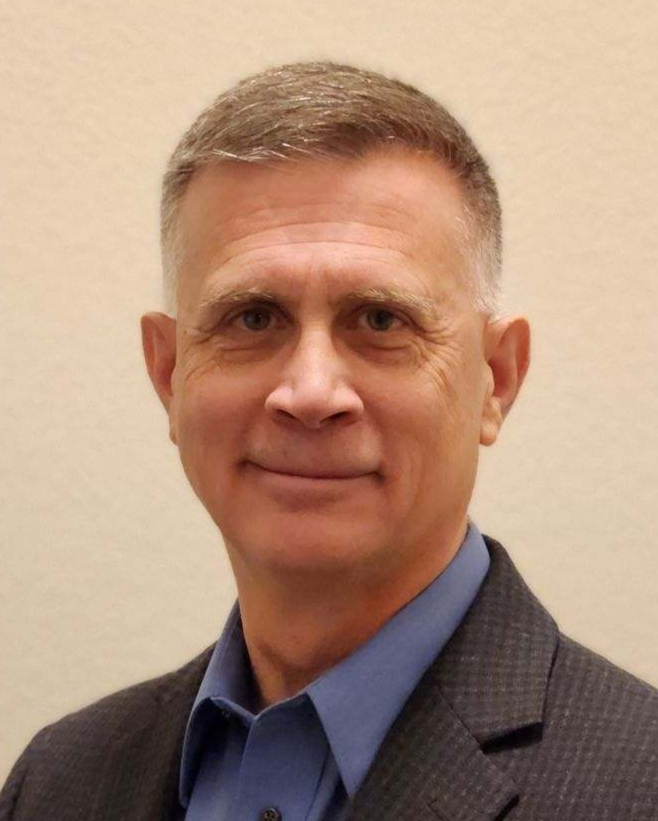
Kelly Mann (United States)
Dr. Kelly Mann is the Vice President of Veterinary Solutions, Mantel Technologies, Fort Collins, Colorado, USA, an affiliate faculty member at Colorado State University, and a Board member of the International Working Dog Association. He has decades of service and leadership experience in clinical veterinary medicine and veterinary research, especially with programs and projects directly applicable to US and allied military working dogs. Dr. Mann received his Bachelor of Science in 1986 from Georgia College, graduated from the University of Georgia, College of Veterinary Medicine in 1990 and completed a Master of Science in Veterinary Parasitology. He joined the US Army Veterinary Corps in 1993 and retired at the rank of Colonel in 2013. During his military career, Dr. Mann was the Director of the LTC Daniel E. Holland Military Working Dog Hospital and served in specialized training and leadership positions focused on military working dog medical care in Department of Defense, NATO and allied programs. He received a MS in Radiological Health Sciences from CSU, is a Diplomate of the American College of Veterinary Radiology, and earned a Master of Strategic Studies from the US Army War College. Dr. Mann is a member of the Order of Military Medical Merit and recipient of the Army Surgeon General's "9A" Proficiency Designator. His veterinary research interests include advanced imaging methods, medical procedures and surgical techniques that benefit animals and may lead to translational benefits for human patients. His career vision is to support world-class research at the highest level in his profession, tempered by compassion for the animals and people involved, and guided by ethical consideration for the health and welfare of each animal. Dr. Mann has a passion for all working dogs and the people they serve.
Paul Mundell (United States)
Appointed to Chief Executive Officer of Canine Companions for Independence in 2014, Paul Mundell has a long-standing record of capable and effective leadership within the organization. As National Director of Canine Programs and Corporate Secretary for 17 years, Paul oversaw and managed the entire canine program, from the puppy raising program to the breeding department, at the multi-regional and national levels. During this time, Paul increased the number of graduate teams by 80% and increased canine success rate by 65%. In addition to his work within the program, Paul forged strategic relationships with world-class research institutions that assist in the development of the canine program, by means of maximizing the health and working performance of Canine Companions dogs. These relationships include: Duke University Canine Cognition Center, Eukanuba Dog Foods, The Buck Institute, Emory University, Georgia Tech and Texas A&M University. In addition to these relationships, Paul formed joint ventures with foundations and corporations, which provided over $7 million towards unrestricted and project related funding along with in-kind donations. Most recently under Paul’s leadership, Canine Companions furnishes dogs for a study conducted by the Department of Veterans Affairs; this study aims to determine the potential benefits of canine support for veterans with post-traumatic stress disorder (PTSD). Paul also has a long standing history consulting to agencies, both domestic and international: Dognition, member of the Expert Advisory Panel; Marine Corps Warfighting Laboratory, where he assisted in a project to develop specialized search dogs; International Narcotics and Law Enforcement Office, where he provided guidance to Kazakh Border Guard Service and allied Central Asian States about the development of an effective working dog program. Paul is active in the local community and international community, as he has been a volunteer puppy raiser and breeder caretaker for Canine Companions, is the new North American President of Assistance Dogs International, and Vice-President of International Working Dog Breeding Association. Paul Mundell leads by example. Not only do his interests in scientific research guide Canine Companions towards excellence, growth, and innovation, but also his philosophic orientation towards the Platonic method facilitates an inclusive work environment where all members of the Canine Companions staff feel involved and valued. Paul Mundell has played an integral role elevating the standards by which Canine Companions’ mission, to enhance the lives of people with disabilities by providing highly trained assistance dogs and ongoing support to ensure quality partnerships, is enacted.
Esther Schalke (Germany)
Esther Schalke is a Doctor in veterinary medicine, graduated from the University of Hanover, Germany in 1996. She got her PhD in 2000, is a board certified specialist in animal behavior and a Diplomate of the ECVBM-CA. She worked as a postdoctoral research fellow at the Institute of Animal Welfare and Behavior, University of Veterinary Medicine Hanover from 1997 till 2012. Her research subject was aggressive behavior in dogs and learning behavior. In 2009 she founded the Lupologic GmbH: center of applied ethology and veterinary behavior medicine. She published numerous publications about aggressive behavior in dogs.
Hannes Slabbert (South Africa)
Dr Slabbert has been breeding and training working dogs for 32 years. He managed the South African Police Service Dog Breeding programme for 12 years. His international travels included visits to police and military training institutions in Australia, Austria, Belgium, Benin, Croatia, Germany, Norway, Russia, Poland, Singapore, The Netherlands, United Kingdom, United States of America, Zimbabwe and several other African countries. Dr Slabbert therefore has a broad knowledge of working dog breeding, training and research projects in most parts of the world. Between 1981 and 1985 he obtained a B.Sc. (Biological Sciences) and a B.Sc. (Honours) Zoölogy. He completed his M.Sc. (Ethology) during 1990 and his Ph.D. (Veterinary Ethology) during 1998, at the University of Pretoria. Dr Slabbert is an executive member of the International Working Dog Breeding Association (IWDBA) and a founder member of the South African Board for Companion Animal Professionals (SABCAP).